EN
EN  NL
NL  BE
BE 
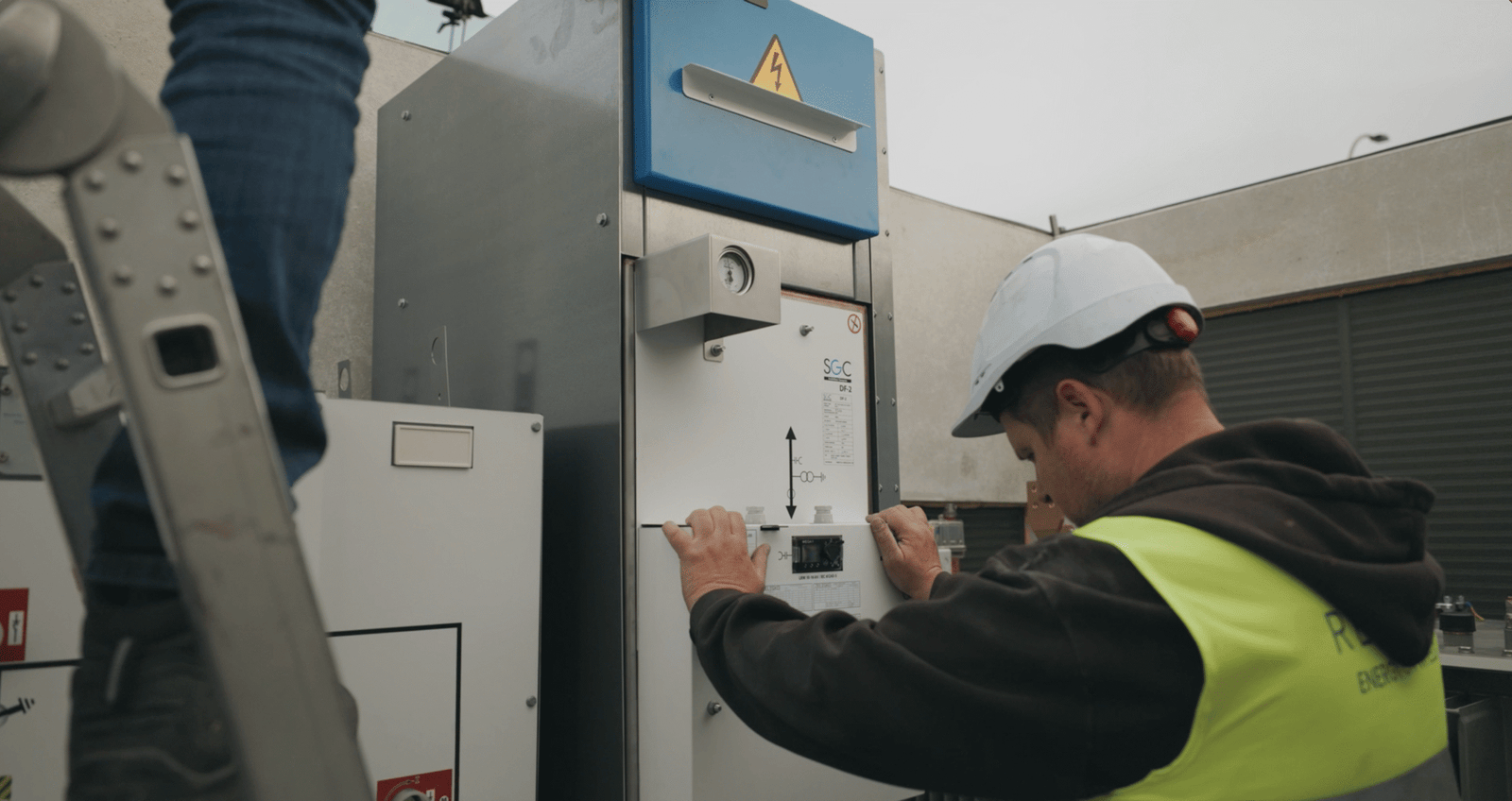
The pattern that repeats across every project type
A logistics operator signs a lease on a depot site. The business case is solid, the fleet transition timeline is set, and the charger supplier is ready to deliver. Six months later, the project is stalled. Not because of equipment. Not because of permits. Because nobody checked whether the grid could actually deliver the power the site needs.
This is not a rare scenario. We see it on bus depots, truck depots, car parks, logistics terminals, and industrial facilities across Belgium and the Netherlands. The building type changes. The mistake does not. Projects double their timeline because the most basic infrastructure question was never asked at the right time: is there enough grid capacity at this location?
The root cause is almost always the same. Feasibility is treated as a formality instead of the phase where the real engineering decisions are made. By the time the technical gaps surface, contracts are signed, timelines are committed, and every fix becomes expensive.
Grid capacity before site selection
The single most impactful decision in any electrification project happens before a single cable is laid: confirming that the local grid can support the load you need. This means contacting the Distribution System Operator (DSO) before signing the lease, not after.
In Belgium, that means Fluvius or ORES depending on the region. In the Netherlands, you are dealing with Enexis, Liander, or Stedin. Each operator has different application processes, different response times, and different capacity situations. A site in Antwerp and a site in Rotterdam may look identical on paper but face completely different grid realities.
When capacity is insufficient, there are options: connecting to a different feeder point, integrating a Battery Energy Storage System (BESS) to buffer peak demand, phasing the rollout so power grows with actual usage, or in some cases, choosing a different site altogether. But these options only work if you know about the limitation early enough. Discovering a grid constraint six months into a project means redesigning under pressure, renegotiating timelines, and absorbing costs that were never in the original budget.
A proper grid feasibility study takes weeks, not months. The cost is minimal compared to the project budget. But it has to happen first, not in parallel with everything else.
Transformer sizing for the next five years
Transformer station sizing is where many projects make their second critical mistake. The choice between a 630 kVA (kilovolt-ampere) and a 1600 kVA station is not just a technical spec. It determines whether the site can grow or whether the entire station needs to be replaced within a few years.
Undersizing is the more common error. A site starts with ten charging points and a 630 kVA transformer. Within two years, demand grows and the station hits its ceiling. Upgrading is not a simple swap. It means civil works, new cabling, new switchgear, a new DSO application, and weeks of downtime. The total cost of replacement often exceeds what the larger station would have cost from the start.
Oversizing wastes capital in the other direction. A 1600 kVA station for a site that will never exceed 400 kVA is money locked into capacity that sits unused.
The right approach is straightforward: model the load profile for five years, not just day one. A bus depot, a truck charging hub, and a commercial car park each have very different power curves. A depot charges overnight with a steady, predictable load. A public charging hub sees sharp peaks during commuter hours. A logistics terminal may need high power around the clock. The transformer specification needs to reflect the actual use case, with realistic assumptions about fleet growth and utilization rates.
Cable route engineering on site, not on paper
Cable routing is the part of a project that looks simple in a design drawing and gets complicated the moment work starts on site. Thermal derating, pull pit placement, and duct bank design all affect how much power a cable run can actually deliver. Get it wrong and the consequences range from reduced capacity to full rework.
Thermal derating is a common blind spot. Cables bundled together in a duct generate heat. The more cables in the duct, the less current each one can carry. A design that works perfectly for a single cable run may underperform when four cables share the same conduit. This has to be calculated for the specific installation, not assumed from a generic table.
The physical challenges vary by project type. Depot cable runs can span 200 meters across flat ground, which sounds straightforward until you factor in existing underground utilities, drainage, and future expansion paths. Car parks require vertical runs through risers, where space is tight and access for maintenance is limited. Logistics hubs cover enormous footprints with complex routing through loading areas and traffic zones.
A properly engineered cable route needs a site visit, not just a drawing. The difference between a route designed on paper and one designed after walking the site can easily be 15,000 to 25,000 euros on a 200-meter run. That cost shows up as rework, delays, or reduced performance, all of which are avoidable.
One team from feasibility through commissioning
The projects that run into the fewest problems are the ones where a single team handles the entire process: from the initial feasibility study, through design, procurement, installation, and commissioning. Not because one team is inherently better, but because handovers between teams are where information gets lost.
When a consultant does the feasibility study, a different engineering firm does the design, and a third contractor does the installation, each handover creates a gap. Assumptions made in feasibility do not always carry through to design. Design specifications do not always match what the installation team encounters on site. Every gap is a potential delay, a potential cost overrun, or a performance issue that only surfaces during commissioning.
A proper feasibility phase covers grid capacity verification with the DSO, transformer sizing based on a five-year load model, cable route engineering with a site survey, compliance mapping for both AREI (Belgium) and NEN 1010 (Netherlands), and a realistic project timeline including DSO lead times. When the same team that did this work also executes the installation, those early decisions carry through to the finished project without anything falling through the cracks.
Infrastructure projects fail when the technical foundation is treated as someone else’s problem. The feasibility phase is where the project either gets set up for success or starts accumulating the kind of problems that surface months later, when they are far more expensive to fix.