EN
EN  NL
NL  BE
BE 
Imagine that…
A project developer had what seemed like the perfect site for a new fast charging hub with ample space, a high-traffic location, and support from local authorities. They hired separate firms for the civil construction and the electrical grid connection.
Unfortunately, the civil team finished the groundwork before the utility installer was ready, and some conduit placements didn’t align with the equipment specs. The misalignment meant re-digging trenches, and the site sat idle waiting for the utility to schedule a new transformer hookup. The result: a six-week delay in opening the charging station and about €40,000 in extra costs. This scenario is all too common when multiple subcontractors aren’t fully coordinated.
The above story illustrates a painful reality. Splitting a complex fast charging infrastructure project among many contractors can introduce major risks. In contrast, a turnkey delivery model, where one partner handles civil, electrical, permits, and commissioning as a full package can prevent these issues. Below, we discuss four key reasons why full-scope turnkey delivery reduces project risk and often improves the return on investment “ROI” for fast charging and energy infrastructure projects.
One Partner, Total Accountability
When you engage a single firm to deliver an entire project, you get one point of accountability. This has immediate benefits for risk reduction. There’s no ambiguity about who is responsible for what; if a problem arises, the turnkey partner owns it and fixes it. Communication lines are straightforward and that means that there is no need to chase down five different subcontractors to find where an issue lies.
Industry experience shows that a single point of contact can significantly cut down on delays and bottlenecks. For example, using a turnkey approach with one accountable provider “minimizes the risk of project delays and bottlenecks” while keeping performance on track. All decisions and adjustments funnel through one project manager or team, which means fewer coordination errors. Moreover, having one partner in charge fosters a proactive attitude, rather than each contractor focusing only on their piece, the turnkey provider is incentivized to optimize the whole project. This eliminates the finger-pointing and scope gaps that often occur with multiple contractors, and it gives you, the client, a clear line of sight into the project’s progress at all times.

Alignment with Grid Operator Deadlines
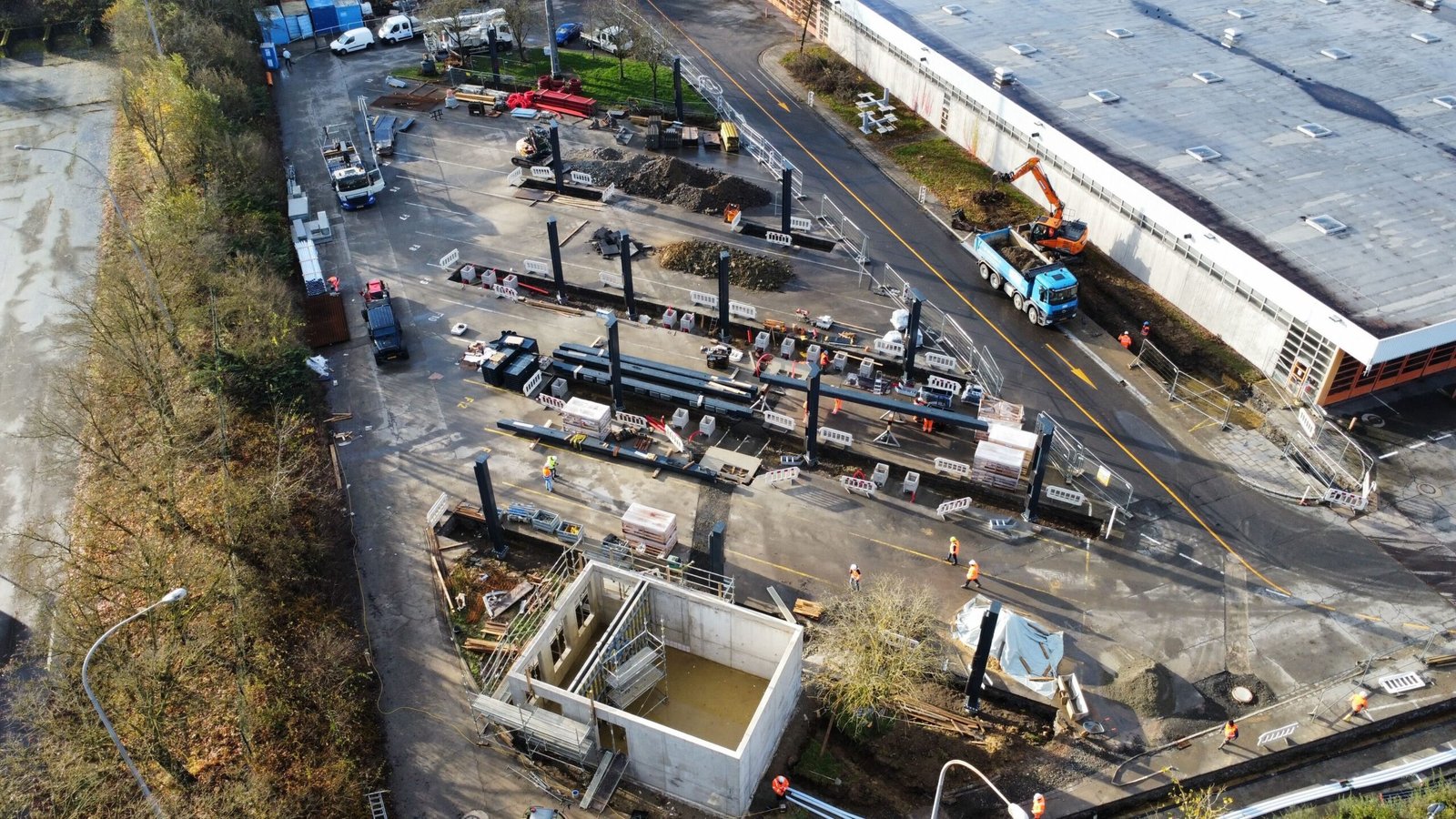
Grid connection is frequently the make-or-break element in energizing a new fast charging site or high-voltage installation. Many projects underestimate how long utility approvals or upgrades can take. A turnkey delivery partner will manage this crucial aspect by aligning construction schedules with the utility’s timelines.
They coordinate early with the grid operator to ensure that as soon as the site is physically ready, the electrical connection can be made without delay, and this can save months of waiting. For instance, it’s not uncommon for utilities to take an additional 3 to 4 months after site construction is finished to connect fast chargers to the grid. Imagine finishing a project and then sitting idle for four extra months due to coordination failure, that’s a huge financial hit. It’s also reported that difficulties in securing grid connections are one of the single biggest sources of delay in fast charging infrastructure deployment.
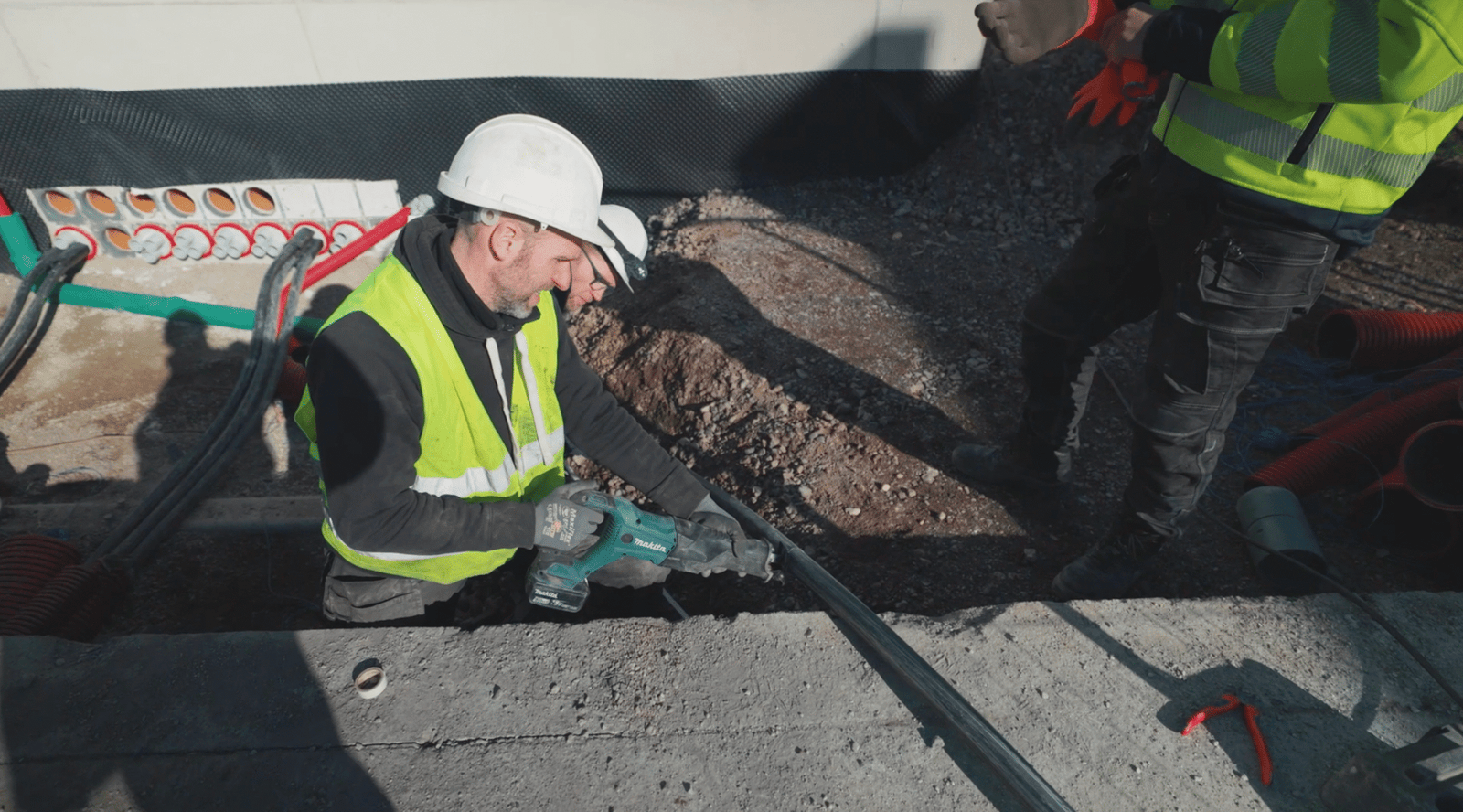
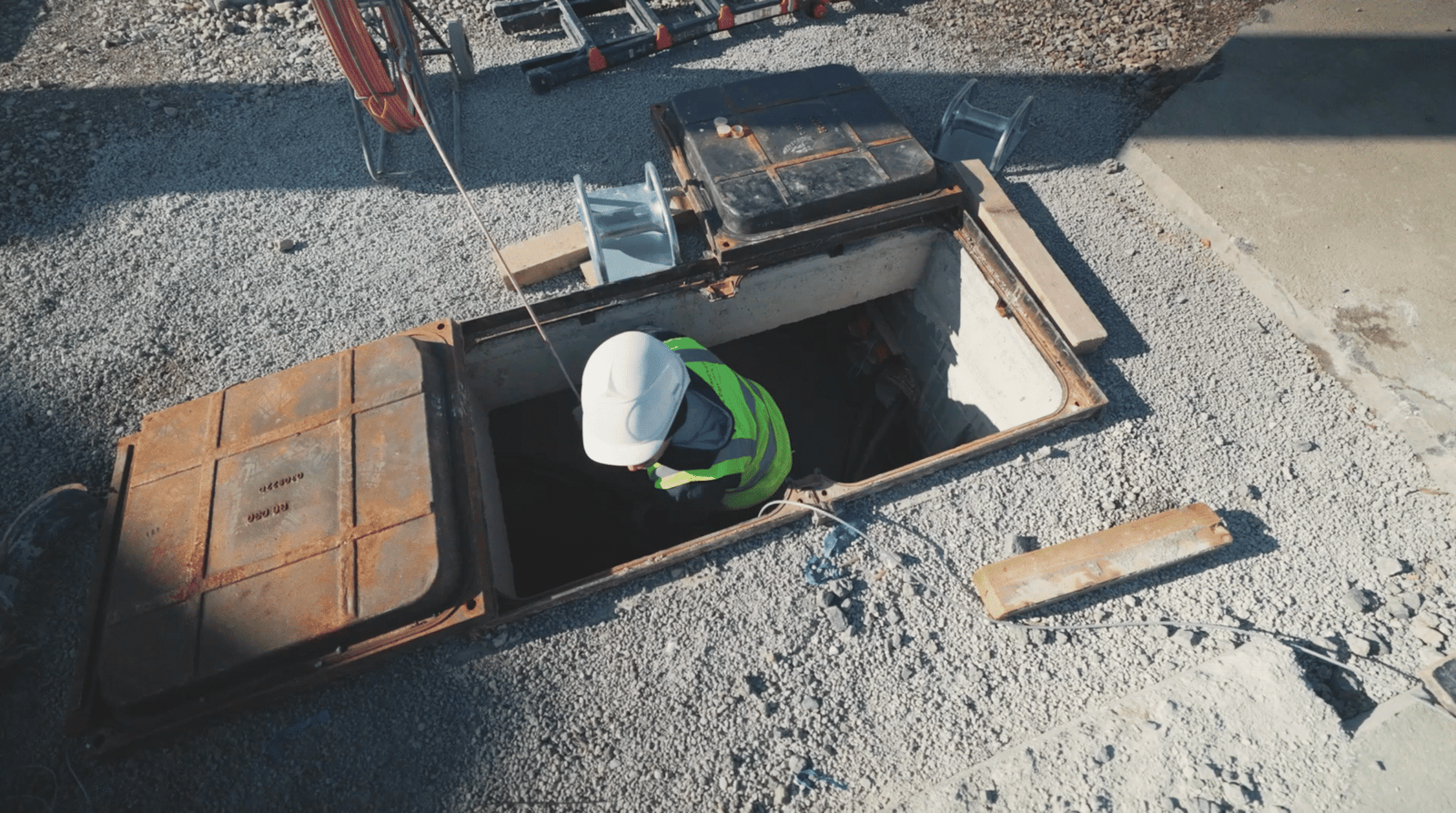
A turnkey contractor mitigates this by working hand-in-hand with the utility’s schedule: arranging necessary grid upgrades, inspections, and power-on dates to dovetail with the site work. A turnkey contractor includes a team that is well-versed in utility coordination. By understanding the operational workflows of the grid operators, they can structure the project so that civil works, electrical installation, and the grid connection follow a coherent and predictable sequence. By synchronizing civil and electrical work with the utility process, a full-scope provider ensures your project isn’t left in limbo waiting for power. The site will be energized as soon as construction is done, which means you start getting a return on your “investment through charging revenue or operational savings” much faster.
Streamlined Coordination Lowers Overhead Costs
“Time is money” rings especially true in construction projects. Every week of delay or miscommunication can inflate costs, and managing multiple contractors often adds overhead in the form of project management effort and inefficiencies.
Turnkey delivery is not only about avoiding delays, but also about improving cost-efficiency and ROI through integrated coordination. With one team handling both the design and the build, there’s an opportunity to optimize procurement and scheduling in a way separate contractors cannot. For example, a unified team can order long-lead equipment in parallel with finishing designs, and they can schedule crews more efficiently to reduce downtime. Research into project delivery methods confirms this advantage, “when the same contractor designs and constructs a project, stages can overlap, leading to a condensed timeline and fewer delays”. A shorter project timeline generally means lower labor and financing costs.
Additionally, turnkey contracts often provide more price certainty up front. Unlike a piecemeal approach where unforeseen changes with one subcontractor can trigger change orders with others, a turnkey project is typically agreed as a holistic scope, reducing unexpected cost overruns. Owners gain the ability to accurately budget and calculate return on investment because there are fewer “unknowns” popping up mid-project. In essence, streamlined coordination under one contract can deliver the project more cost-effectively, improving the overall ROI by avoiding duplicate markups and by preventing costly mistakes that lead to rework.


No Gaps Between Civil & Electrical Phases
One of the biggest risks when using multiple specialists is the mismatch between civil construction and electrical installation plans. If the paving or trenching crew isn’t perfectly in sync with the electrical engineers, you might end up with conduit runs in the wrong place, insufficient space for transformers, or other planning errors. These mismatches result in change orders and rework that eat up time and money.
A study on project management found that when design and construction are split among different parties, inconsistencies can lead to numerous change orders and escalating costs. This is exactly what happened in our opening story: the civil work and electrical work were not aligned, causing a cascade of fixes. A turnkey delivery model prevents such gaps by unifying the planning. From day one, the civil engineers and electrical engineers “all on the same team” create a cohesive plan for the site. The placement of every trench, pad, and cable is coordinated in one design process. During execution, the left hand knows what the right hand is doing because it’s the same company doing both.
If field conditions require a tweak “which they often do”, the adjustment is handled internally with both civil and electrical supervisors at the table, rather than through change order fights. This seamless integration means there are no surprise mismatches, and it drastically reduces the need for rework. In turn, the project stays on schedule and budget. Essentially, full-scope delivery removes the cracks that things can fall into, delivering a more predictable outcome.
Reeload’s Full-Scope Execution Across Europe
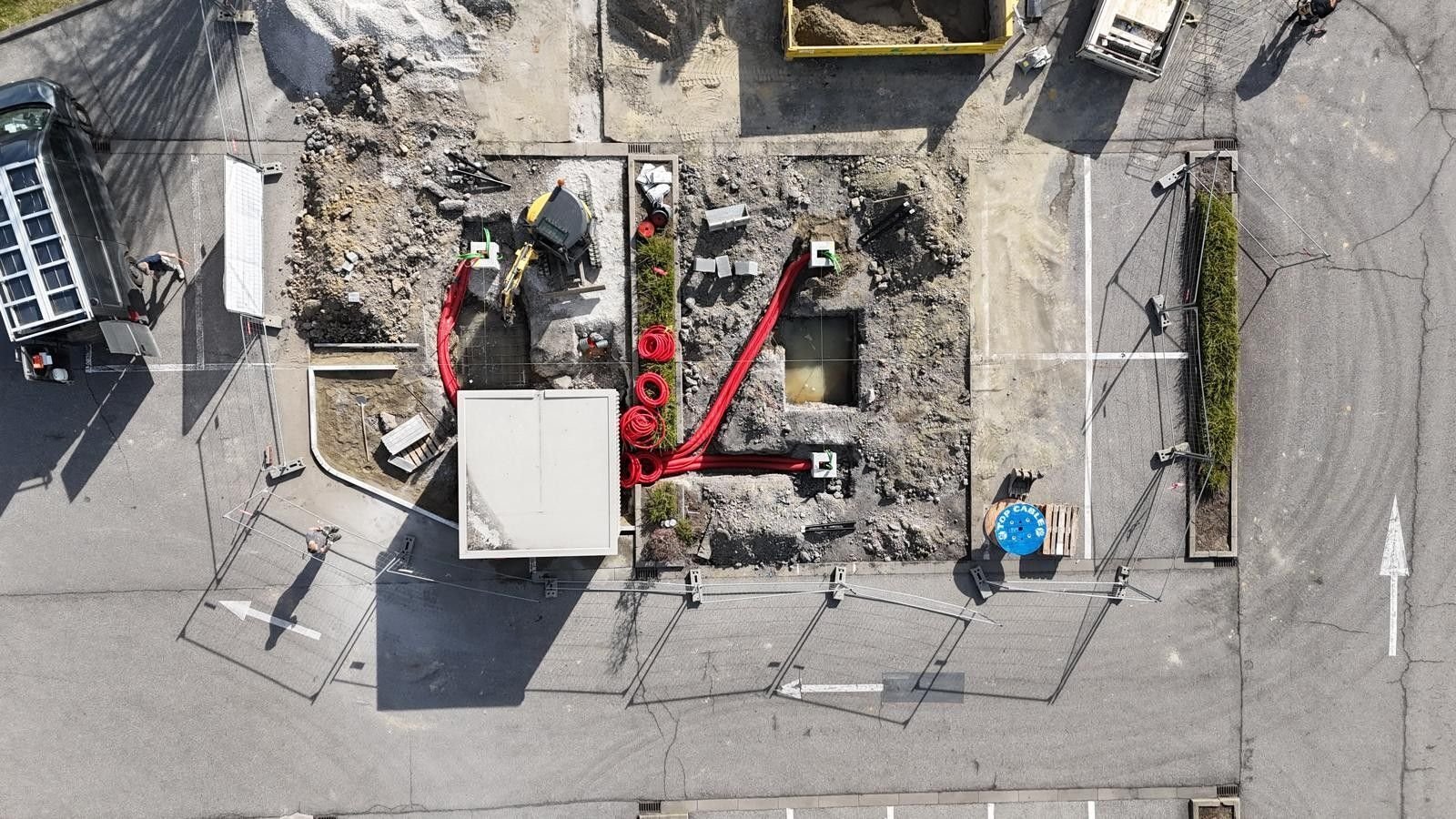
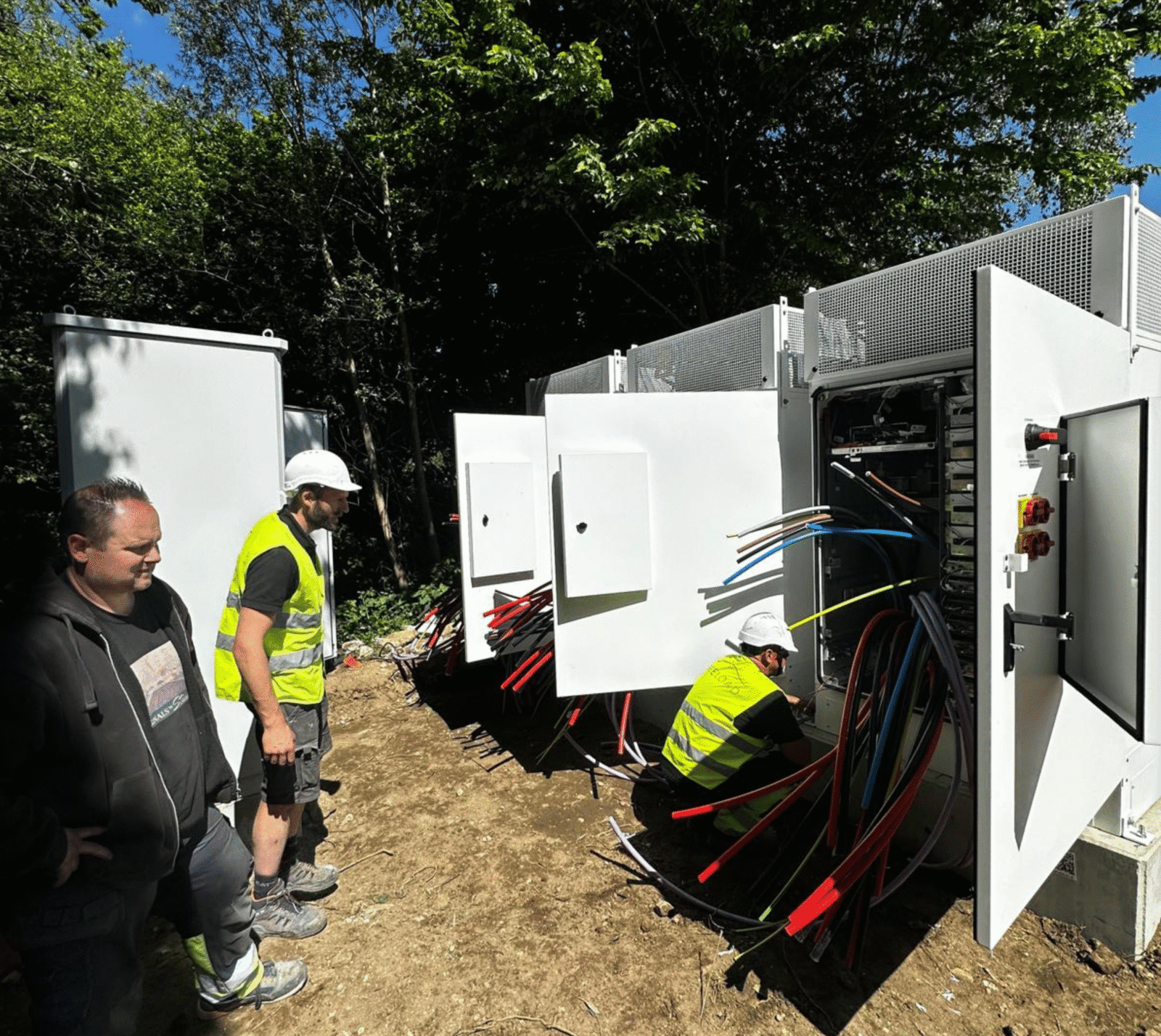
The case for turnkey delivery comes down to control and cohesion qualities that directly translate to lower risk and better returns. Reeload has embraced this philosophy by offering complete end-to-end infrastructure delivery for energy and fast charger projects across Europe. As a single-source provider, Reeload handles everything: site surveys, permitting, civil works, electrical installation, utility liaison, and final commissioning. This model allows Reeload to act as the one accountable partner throughout, which has enabled them to efficiently manage around 150 major projects per year under a unified approach.
By internalizing key competencies and working with carefully chosen partners for specialized tasks, Reeload maintains control over quality, safety, and scheduling at every step. The benefits to clients are clear: projects are delivered on tight timelines without the usual coordination nightmares, and the total cost is kept in check through streamlined execution. In short, Reeload’s full-site turnkey execution means a municipality, charging network operator, or developer can roll out new energy sites with confidence.
With one experienced team taking responsibility for civil, electrical, and everything in between, the result is fewer delays, fewer cost surprises, and a faster path to operational ROI. It’s a practical, proven way to de-risk ambitious infrastructure projects making turnkey delivery an attractive strategy for anyone looking to scale up in the electrification era.