
 NL
NL  EN
EN  BE
BE 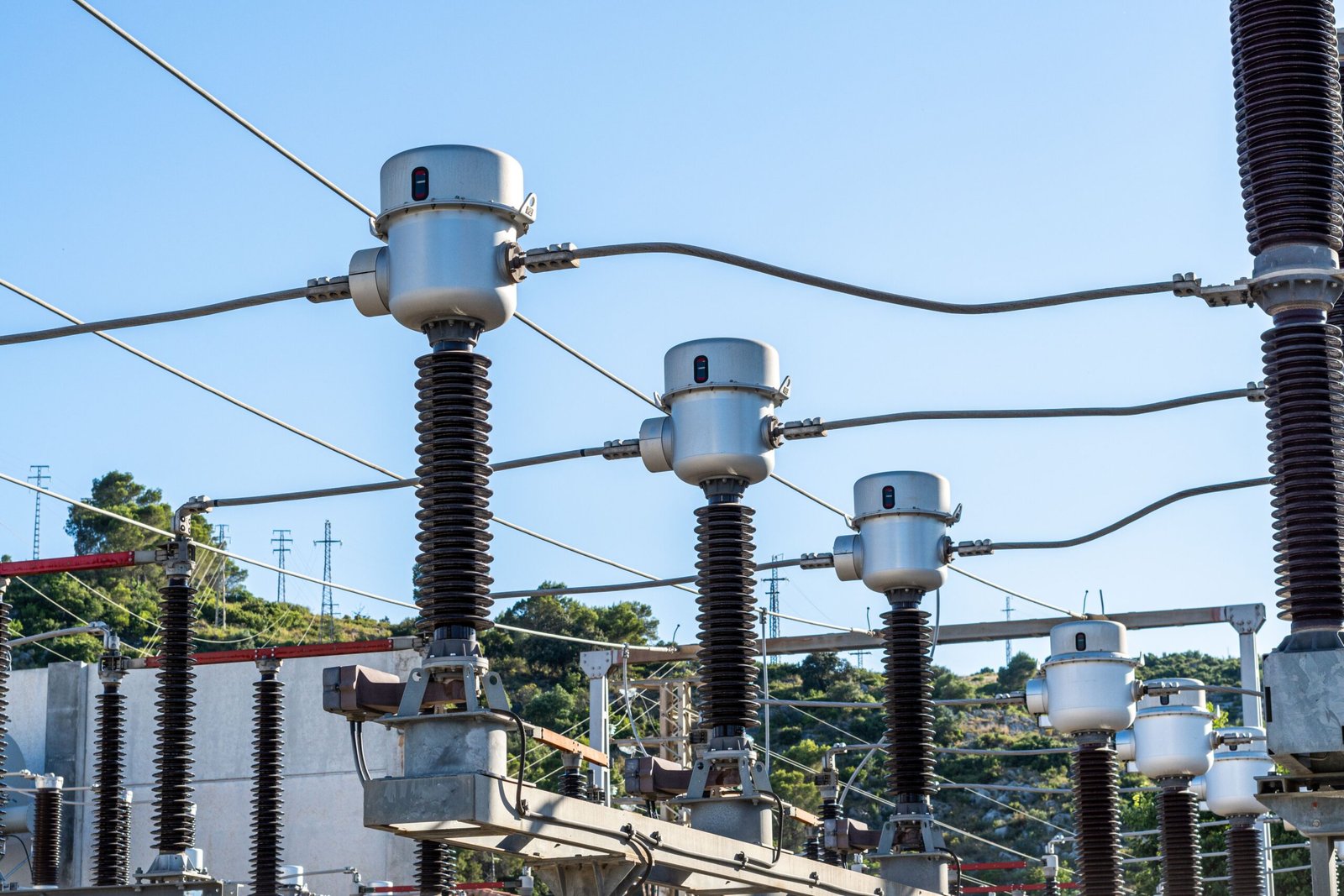
The Dutch state is selling 25.1% of its shares in TenneT Germany to KfW, the German state development bank, which is acting on behalf of the German state. For this stake, the German state will pay around €3.3 billion, becoming a minority shareholder in TenneT Germany while TenneT Holding remains a major owner. According to the Dutch government, the aim is to strengthen TenneT Germany’s capital base so it can finance the grid reinforcements required for the energy transition.
TenneT Germany operates part of the high‑voltage transmission grid in Germany, including infrastructure that connects large volumes of renewable generation and transports electricity to demand centres. With the German state joining as a shareholder, the company gains long‑term support for investments in critical transmission projects that underpin security of supply and the integration of more renewables.
(Dutch government press release + TenneT’s own news page.)
Why this matters for large‑scale charging projects
Investments at transmission level are a prerequisite for what happens lower down in the system: connecting new high‑ and medium‑voltage stations, bus depots, e‑truck hubs, car parks with fast charging, and battery energy storage systems. Without sufficient transmission capacity and a clear long‑term plan, rolling out large electrification projects becomes slower, riskier and more expensive.
As more heavy transport, bus fleets and car parks electrify, locations will depend on a combination of robust grid connections and well‑designed on‑site infrastructure. That includes everything from the right high‑ or medium‑voltage connection, to cabling, to the physical installation of charging and storage assets, and their long‑term operation and maintenance.
From Mud to operational sites in the Benelux
Reeload is an Electrification contractor in the Benelux that delivers complete charging and energy infrastructure projects from A to Z. That starts with feasibility studies and permitting, and continues through civil works, digging, cable laying and the installation of fast‑charging systems, depot charging for buses and e‑trucks, car‑park charging, and high‑ and medium‑voltage stations. Reeload also installs battery energy storage systems where needed, so sites can combine grid capacity with local flexibility.
With Reeload Care, the company goes beyond delivery and takes on ongoing maintenance and care for the location on behalf of the site owner or partner. For large companies, this means having a single partner that can take responsibility for the entire lifecycle of their charging and related electrical infrastructure in the Benelux, from first idea to a fully operational site that is ready to use.
As transmission operators and governments invest in the backbone of the energy system, players like Reeload make sure that the charging and energy infrastructure at individual locations is actually designed, built and maintained to make use of that backbone. Electrification Delivered Without Compromise.